 AVYCAST
Kagura Tanigawa Hotaka — Bollettino valanghe
L'ultimo bollettino valanghe per Kagura Tanigawa Hotaka (Giappone) era valido fino al domenica 5 aprile 2026 (pericolo 2 — Moderato). Non è stato pubblicato un bollettino più recente — probabilmente fuori stagione.
Questo bollettino è scaduto il domenica 5 aprile 2026 — non è stato pubblicato un bollettino più recente.
Ciclo primaverile. I livelli di pericolo di valanga variano da "basso" a "alto" a causa delle temperature diurne e delle radiazioni solari. Si raccomanda di intervenire prima che la crosta si allenti a causa degli effetti delle radiazioni solari e delle temperature più calde. Quando la crosta si scioglie e i piedi o gli sci affondano profondamente o iniziano a rotolare palle di neve, questo è un segnale di pericolo aumentato. A quote più basse, prestare attenzione alle valanghe di slittamento causate dalla pioggia. A causa dell’elevata incertezza, non entrare o attraversare rapidamente aree di crepe di slittamento o la parte inferiore di pendii a picco. Questo è l’ultimo bollettino di valanghe per questa zona oggi. Grazie a tutti coloro che hanno fornito informazioni sulle loro osservazioni.
Pericolo per quota
Problemi valanghivi attivi
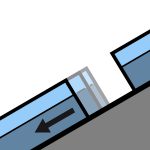
Ieri (4), è stata segnalata una caduta di blocco osservata da una crepa di slittamento. Alle ore 5:00, la temperatura presso AMeDAS Fujiwara era di 8°C con 8,5 mm di pioggia nelle ultime 24 ore. A circa 1.300 m di quota, la temperatura era di 8,5°C. L’Osservatorio Meteorologico del Distretto di Maebashi dell’Agenzia Meteorologica del Giappone prevede che un’alta pressione si sposterà verso est sul Mar della Cina orientale, ma che le condizioni atmosferiche diventeranno instabili nel pomeriggio a causa dell’aumento delle temperature diurne e di una sella di pressione, quindi sarà nuvoloso e talvolta soleggiato, con pioggia e temporali in alcune zone da mezzogiorno, e le temperature saliranno fino a 20°C ai piedi delle montagne.
A quote più elevate, ci sono 5-10 cm di neve da vento sul terreno, ma l’adesione è buona e le lastra da vento vengono spazzate via e rese esposte nelle zone ventose. Il ciclo di fusione e congelamento, che si scioglie durante il giorno e si congela di notte, sta progredendo, e lo strato superficiale del manto nevoso sta guadagnando resistenza. L’adesione negli strati medi e inferiori del manto nevoso è buona, ma le piogge e l’aumento delle temperature stanno causando un movimento di valanga di slittamento significativo.
Fonte: Japan Avalanche Network (JAN) · Vedi bollettino originale
Tradotto (EN)
Domande frequenti
Che cosa significa il grado di pericolo valanghe 2 (Moderato)?
Pericolo accresciuto su alcuni pendii ripidi — servono scelta dell'itinerario e valutazione del terreno accurate.
Con quale frequenza viene aggiornato il bollettino di Kagura Tanigawa Hotaka?
Avycast aggiorna ogni ora; Japan Avalanche Network (JAN) ripubblica il bollettino di solito una volta al giorno durante la stagione.
Chi pubblica il bollettino valanghe di Kagura Tanigawa Hotaka?
Japan Avalanche Network (JAN) — il servizio valanghe ufficiale. Avycast lo aggrega e lo traduce; consulta sempre il bollettino originale.