 AVYCAST
Coastal Alaska Avalanche Center — Boletín de aludes
El último boletín de aludes para Coastal Alaska Avalanche Center (Estados Unidos) fue válido hasta el domingo, 10 de mayo de 2026 (peligro 1 — Débil). No se ha publicado un boletín más reciente — probablemente fuera de temporada.
Este boletín caducó el domingo, 10 de mayo de 2026 — no se ha publicado un boletín más reciente.
Las temperaturas por encima de cero y la lluvia en las cimas de las crestas harán posibles aludes de fondo húmedos y relacionados con cornisa hoy. Aunque en general el riesgo de aludes permanece bajo, serán posibles aludes de fondo húmedos provocados por humanos, y potencialmente grandes aludes naturales relacionados con cornisa, especialmente en terrenos de elevaciones medias y altas, durante y poco después de períodos de lluvias intensas. Evite las trampas de terreno que puedan permitir que la actividad de aludes de fondo húmedos arrastre nieve, y limite el tiempo bajo características de cornisa. Esta será la última previsión del CAAC para la temporada y, aunque seguiremos publicando observaciones periódicas, nos gustaría aprovechar la oportunidad para agradecer a todos nuestros patrocinadores y a nuestra gran comunidad por su apoyo y observaciones.
Peligro por cota
Problemas de aludes activos
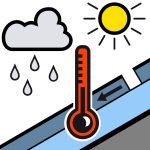
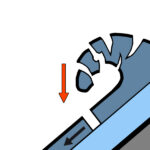
¡Esta es nuestra última previsión de la temporada 2025/2026! El deshielo primaveral continúa dominando la Isla Douglas. La estación Powder Patch en Eaglecrest ha registrado temperaturas por encima de cero desde el 26 de abril. Según pozos de nieve excavados esta semana en dos ubicaciones diferentes, el manto nivoso parece estar completamente saturado y en condiciones isotérmicas. Nuestra principal preocupación sigue siendo los aludes de fondo húmedos, junto con el potencial de una caída de cornisa que pueda desencadenar un alud más profundo y grande. En pozos en aspectos tanto del norte como del sur, observamos crustas de fusión y congelación antiguas con cambios en la densidad y tamaño de grano alrededor de 100 cm debajo de la superficie. Este es potencialmente la superficie de base donde hemos visto liberar aludes más grandes este mes. Las fallas de cornisa continúan siendo observadas alrededor de la Isla Douglas. Incluso cuando no desencadenan aludes mayores, todavía pueden producir cantidades significativas de escombros húmedos. Mantenga una distancia segura de las cornisas y esté atento a los peligros en el overhead. A medida que seguimos viendo lluvia sobre nieve combinada con temperaturas en aumento, el potencial para grandes aludes de placa de viento húmeda aún existe. Por favor, continúe publicando sus observaciones en el Centro de Avalanchas de Alaska Costera, incluso si simplemente reporta buenas condiciones. Toda información es útil, especialmente a medida que hacemos la transición fuera de las previsiones regulares.
Fuente: Avalanche.org — Coastal Alaska Avalanche Center (Kayla Heidenreich, Burke Bohnsack ) · Ver boletín original
Traducido (EN)
Preguntas frecuentes
¿Qué significa el nivel de peligro de aludes 1 (Débil)?
Condiciones generalmente favorables — los aludes son posibles sobre todo con gran sobrecarga en terreno muy empinado.
¿Con qué frecuencia se actualiza el boletín de Coastal Alaska Avalanche Center?
Avycast se actualiza cada hora; Avalanche.org — Coastal Alaska Avalanche Center (Kayla Heidenreich, Burke Bohnsack ) vuelve a publicar el boletín normalmente una vez al día durante la temporada.
¿Quién publica el boletín de aludes de Coastal Alaska Avalanche Center?
Avalanche.org — Coastal Alaska Avalanche Center (Kayla Heidenreich, Burke Bohnsack ) — el servicio oficial de alerta. Avycast lo agrega y lo traduce; consulta siempre el boletín original.
Regiones cercanas
- Haines Avalanche Center · 154 km
- Tutshi-Wheaton-White Pass East-White Pass West · 195 km
- Haines Pass-Tutshi-Wheaton-White Pass East-White Pass West · 195 km
- Haines Pass · 209 km
- Boundary-Howson-Kispiox-Kitimat-Nass-Ningunsaw-Rupert-Seven · 406 km
- Boundary-Howson-Kispiox-Kitimat-Microwave-Sinclair-Nass · 427 km