 AVYCAST
Coastal Alaska Avalanche Center — Lawinenlagebericht
Der letzte Lawinenlagebericht für Coastal Alaska Avalanche Center (Vereinigte Staaten) galt bis Sonntag, 10. Mai 2026 (Gefahrenstufe 1 — Gering). Ein neuerer Bericht wurde nicht veröffentlicht — vermutlich außerhalb der Saison.
Dieser Lagebericht ist am Sonntag, 10. Mai 2026 abgelaufen — es wurde kein neuerer Bericht veröffentlicht.
Über den Gefrierpunkt ansteigende Temperaturen und Regen bis zu den Bergkämmen werden heute feuchte Lockerschnee- und Wechtelawinen möglich machen. Während die allgemeine Lawinengefahr weiterhin gering bleibt, sind durch Menschen ausgelöste feuchte Lockerschnee-Lawinen sowie potenziell große natürliche Wechte-Lawinen insbesondere in mittleren und höheren Lagen während und kurz nach stärkeren Regenfällen möglich. Vermeiden Sie Geländefallen, die die Aktivität von feuchtem Lockerschnee begünstigen, und beschränken Sie die Zeit unter Wechten. Dies wird die letzte CAAC-Prognose für die Saison sein, und obwohl wir weiterhin periodische Beobachtungen veröffentlichen, möchten wir die Gelegenheit nutzen, all unseren Sponsoren und unserer großartigen Gemeinschaft für ihre Unterstützung und Beobachtungen zu danken.
Gefahr nach Höhenlage
Aktive Lawinenprobleme
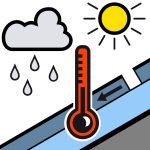
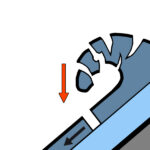
Dies ist unsere letzte Prognose für die Saison 2025/2026! Der Frühlingsschmelzprozess dominiert weiterhin Douglas Island. Die Station Powder Patch bei Eaglecrest hat seit dem 26. April Temperaturen über dem Gefrierpunkt gemessen. Laut Schneelöchern, die diese Woche an zwei verschiedenen Stellen gegraben wurden, scheint die Schneedecke vollständig gesättigt und isotherm zu sein. Unsere Hauptsorge bleibt bei feuchten Lockerschnee-Lawinen sowie der potenziellen Auslösung einer tieferen, größeren Lawine durch einen Wechte-Fall. In Schneelöchern an Nord- und Südhängen beobachteten wir alte Melt-Freeze-Krusten mit Dichte- und Korngrößenänderungen etwa 100 cm unter der Oberfläche. Dies ist möglicherweise die Schicht, auf der wir in diesem Monat größere Lawinen ausgelöst haben. Wechte-Ausbrüche wurden weiterhin rund um Douglas Island beobachtet. Auch wenn sie nicht in größere Lawinen übergehen, können sie dennoch erhebliche Mengen an nassem Schutt erzeugen. Halten Sie ausreichend Abstand zu Wechten und seien Sie sich der Gefahren über Ihnen bewusst. Da wir weiterhin Regen auf Schnee in Kombination mit steigenden Temperaturen beobachten, besteht weiterhin das Risiko großer Neuschneeansammlung-Lawinen. Bitte posten Sie weiterhin Ihre Beobachtungen beim Coastal Alaska Avalanche Center, auch wenn es nur um die Meldung guter Bedingungen geht. Alle Informationen sind hilfreich, insbesondere beim Übergang von den regulären Prognosen.
Quelle: Avalanche.org — Coastal Alaska Avalanche Center (Kayla Heidenreich, Burke Bohnsack ) · Original-Lagebericht ansehen
Übersetzt (EN)
Häufige Fragen
Was bedeutet Lawinengefahrenstufe 1 (Gering)?
Allgemein günstige Verhältnisse — Lawinen sind vor allem bei großer Zusatzbelastung im sehr steilen Gelände möglich.
Wie oft wird der Lagebericht für Coastal Alaska Avalanche Center aktualisiert?
Avycast aktualisiert stündlich; Avalanche.org — Coastal Alaska Avalanche Center (Kayla Heidenreich, Burke Bohnsack ) veröffentlicht den Lagebericht in der Saison meist einmal täglich neu.
Wer veröffentlicht den Lawinenlagebericht für Coastal Alaska Avalanche Center?
Avalanche.org — Coastal Alaska Avalanche Center (Kayla Heidenreich, Burke Bohnsack ) — der offizielle Lawinenwarndienst. Avycast bündelt und übersetzt ihn; prüfe immer den Originalbericht.
Regionen in der Nähe
- Haines Avalanche Center · 154 km
- Tutshi-Wheaton-White Pass East-White Pass West · 195 km
- Haines Pass-Tutshi-Wheaton-White Pass East-White Pass West · 195 km
- Haines Pass · 209 km
- Boundary-Howson-Kispiox-Kitimat-Nass-Ningunsaw-Rupert-Seven · 406 km
- Boundary-Howson-Kispiox-Kitimat-Microwave-Sinclair-Nass · 427 km